
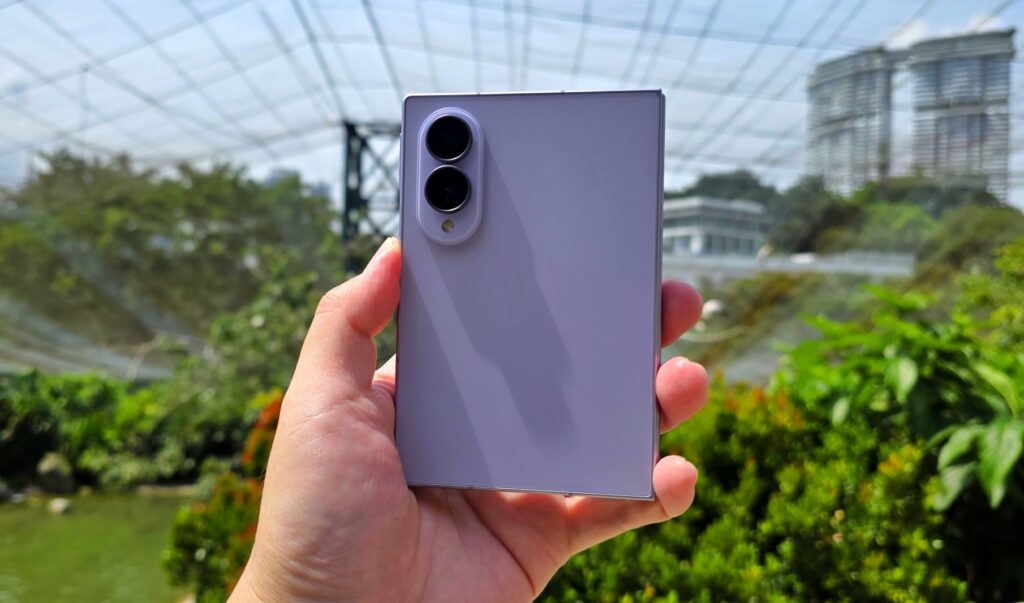
Samsung Galaxy Z Fold8 Review – 2026 Flagship Foldable Goes Wide for the Win
The Samsung Galaxy Z Fold8 is a flagship foldable that retains the same powerful chipset and performance of its pricier sibling, the Galaxy Z Fold8 Ultra, but features a shorter and wider form factor with a front display that has a 10:16 aspect ratio and a main foldable display with a 4:3 aspect ratio, making it ideal for content consumption and everyday tasks. We previously unboxed it and shared our first impressions as well as our first 72 hours testing it.
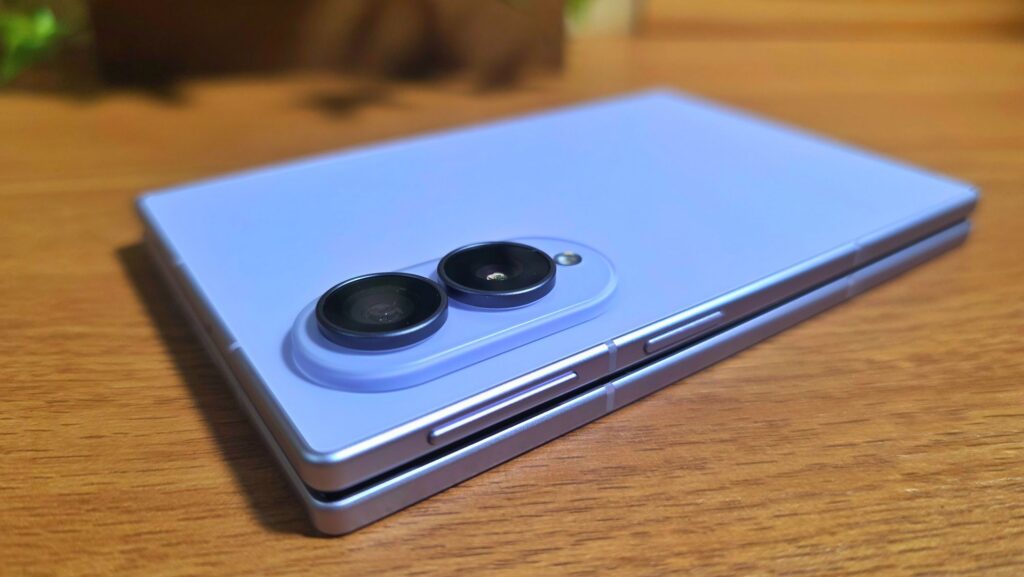
After taking it for a whirl for over a week, here’s our Samsung Galaxy Z Fold8 review where we see if it is in the running to be the best flagship of 2026.
Samsung Galaxy Z Fold8 Review – Performance and Benchmarks
Table of Contents
In terms of hardware, our Galaxy Z Fold8 review unit is impressively equipped. The phone features the Snapdragon 8 Elite Gen 5 for Galaxy processor that is clocked faster than the stock Snapdragon 8 Elite Gen 5 processors seen in competing phones..
The architecture of the Snapdragon 8 Elite Gen 5 for Galaxy processor is otherwise similar to the stock design but the two prime cores are clocked faster by 100MHz to 4.74 GHz. The chipset’s Adreno 840 GPU also enjoys the same treatment and is also slightly faster by 100MHz at 1.3GHz.
Available in several different RAM and storage configurations, our Galaxy Z Fold8 review sample features 12GB of fast LPDDR5X RAM as well as 256GB UFS 4.0 storage. Another variant features 512GB of storage and the same 12GB RAM capping out at a variant with 16GB RAM and 1TB storage. Here’s how our Galaxy Z Fold8 review unit stacks up on paper:
| Price | RM7,299 [256GB], RM8,099 [512GB] RM9,699 [16GB RAM/1TB] |
| Display | 5.5-inch WUXGA+ Dynamic AMOLED 2X (1,248 x 1,972 pixels), 1-120hz refresh rate, 428ppi [cover display] 7.6-inch QXGA+ Dynamic AMOLED 2X, (1,848 x 2,448 pixels), 1-120hz refresh rate, 403ppi [main display] |
| Processor | Snapdragon 8 Elite Gen 5 for Galaxy |
| OS | Android 17 w/ OneUI 9.0 |
| Memory | 12GB LPDDR5X + 256GB UFS 4.0 [512GB and 16GB RAM/1TB variants available] |
| Cameras | 10MP f/2.2 [front] / 10MP f/2.2 [main display], 50MP f/1.8 w/ OIS + 50MP f/1.9 ultra wide angle camera [rear] |
| Battery | 4,800mAh silicon carbon w/ 45W wired charging, 20W wireless charging |
| Size/Weight | 81.9 x 123.9 x 9.7mm [folded] / 161.4 x 123.9 x 4.5mm [unfolded] / 201g |
The phone runs Android 17 with the latest One UI 9.0 with a guarantee of seven years of OS and security updates which means that it’ll get updated all the way to Android 24 and stay secure all the way to 2033.
Like prior Samsung flagships, the Galaxy Z Fold8 also has RAM Plus virtual RAM with 8GB preassigned by default though you can optionally disable it or adjust it all the way up to 12GB or down to just 2GB.
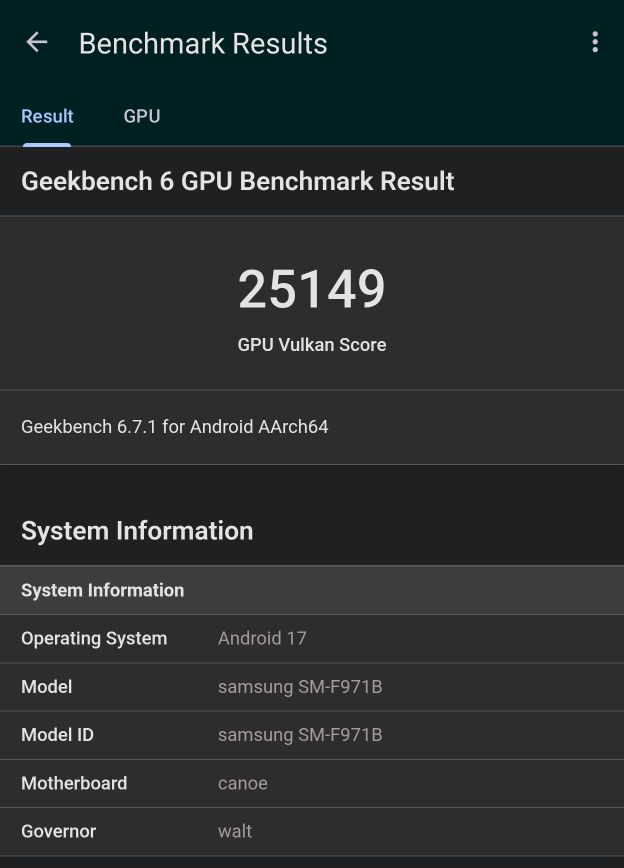
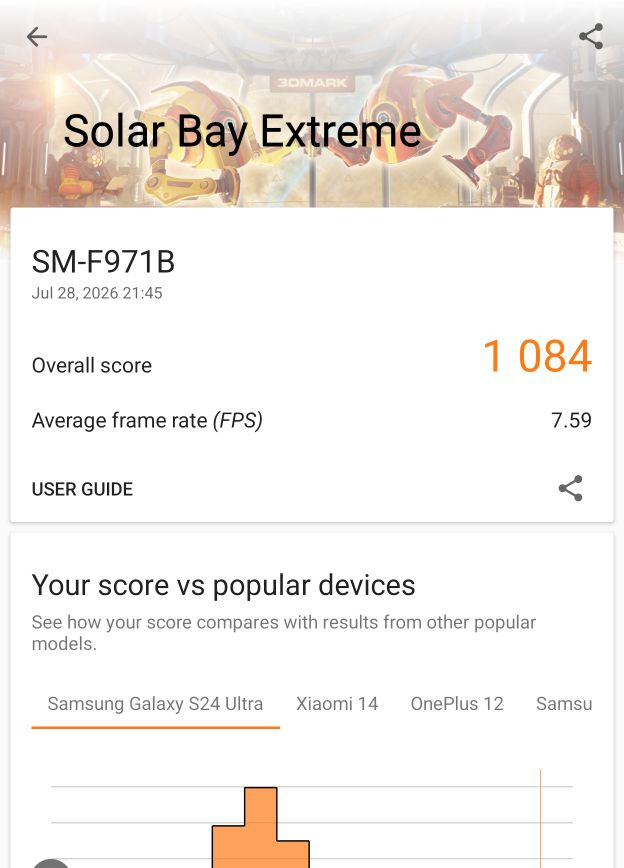
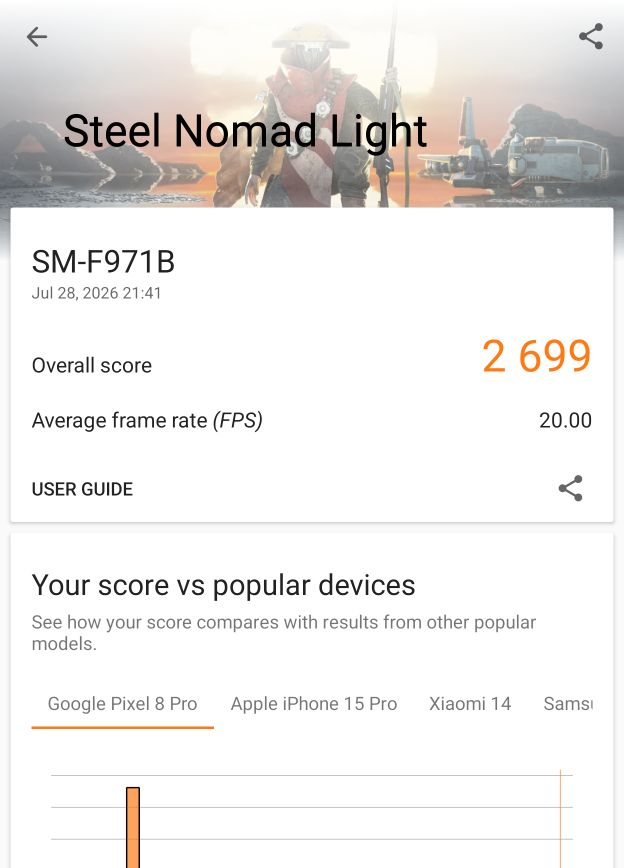
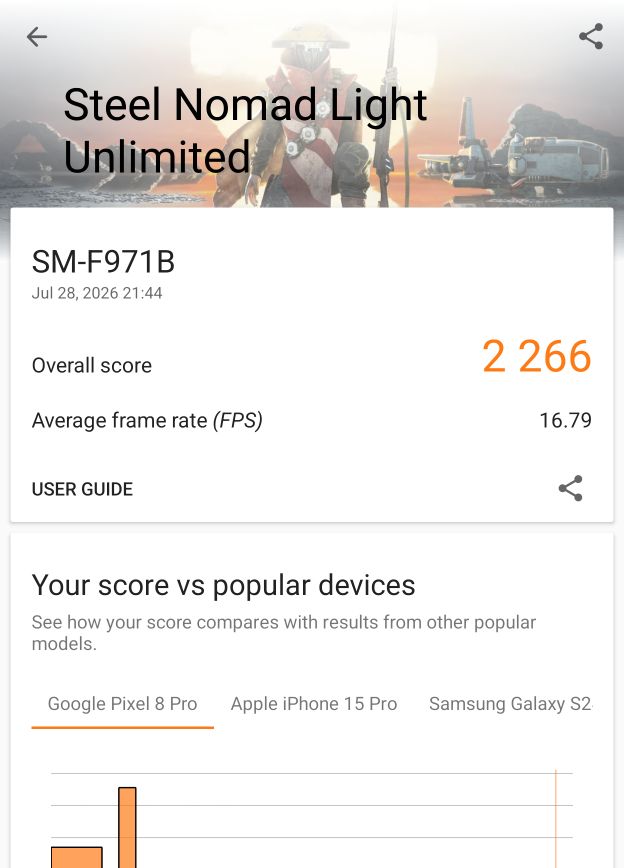
With the default 8GB of virtual RAM, our Samsung Galaxy Z Fold8 review sample scored the following benchmarks:
| 3D Mark Steel Nomad Light | 2,699 |
| 3D Mark Steel Nomad Light Ultd | 2,266 |
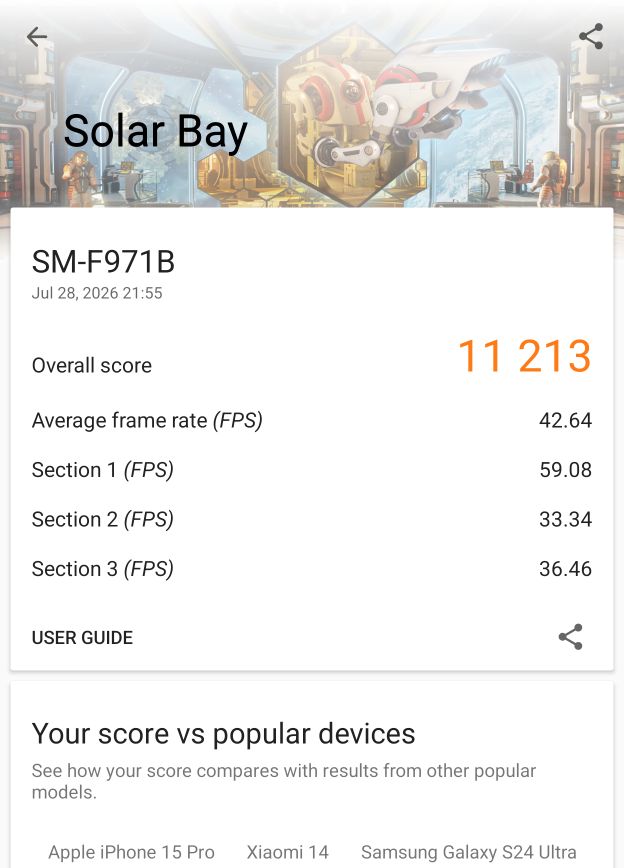
| 3D Mark Solar Bay | 11,213 |
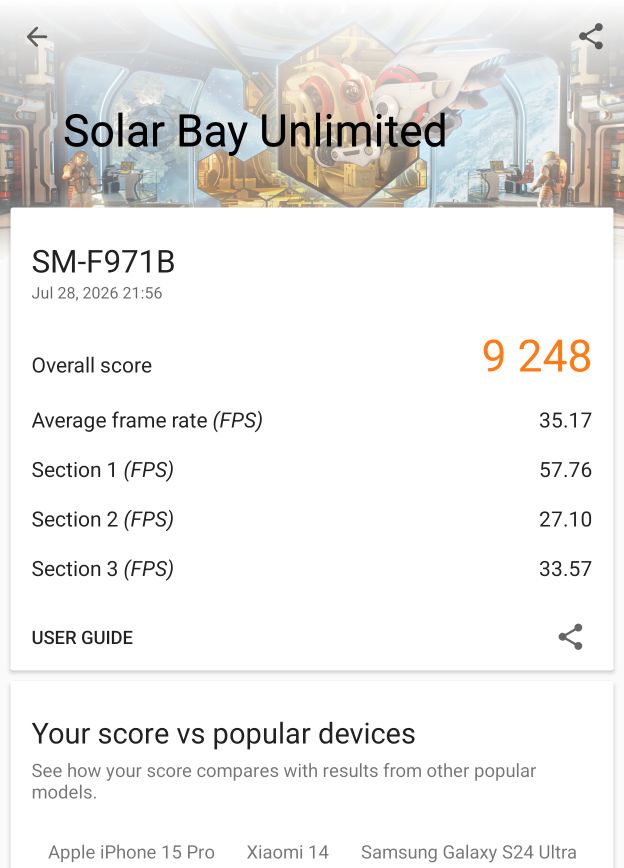
| 3D Mark Solar Bay Unlimited | 9,248 |
| 3D Mark Solar Bay Extreme | 1,084 |
| 3D Mark Solar Bay Extreme Ultd | 1,195 |
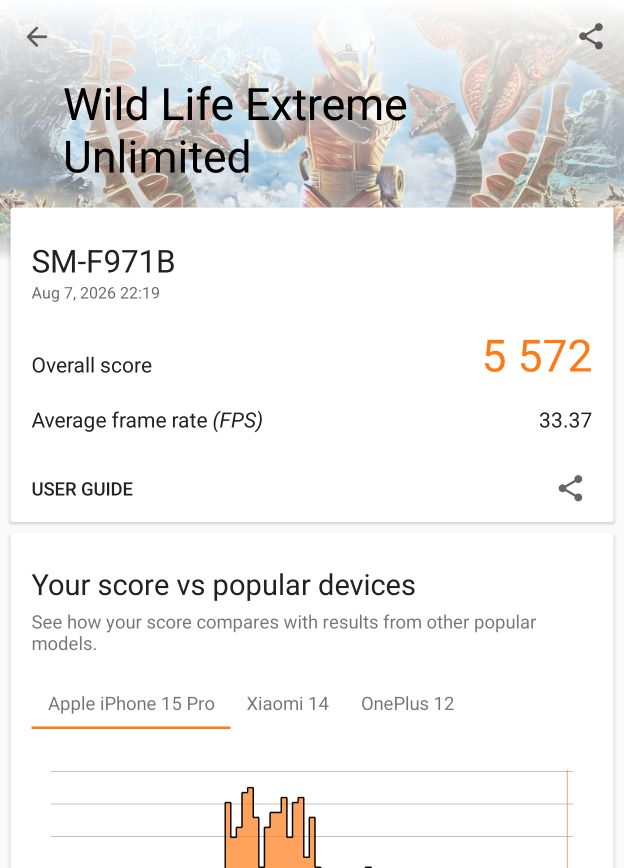
| 3D Mark Wild Life Extreme | 5,188 |
| 3D Mark Wild Life Extreme Ultd | 5,572 |
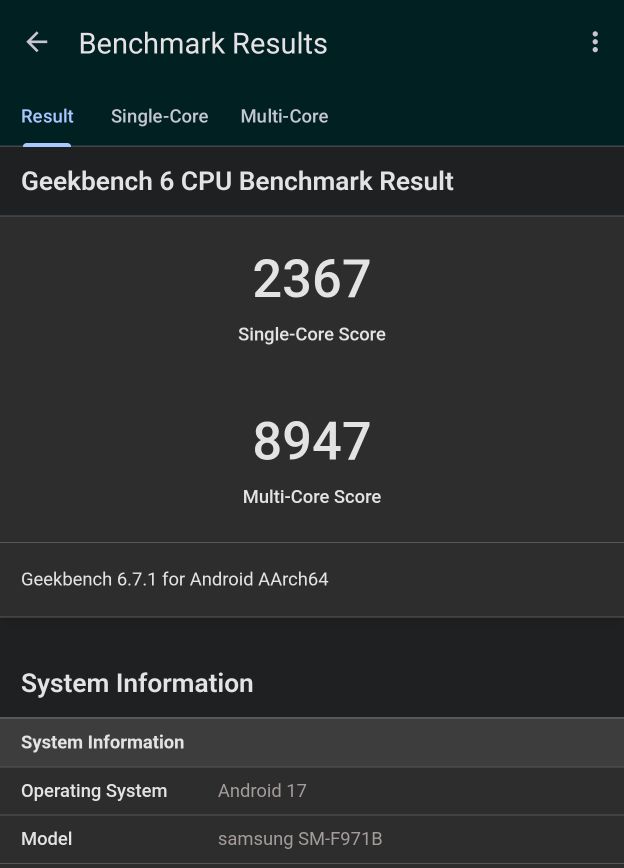
| Geekbench 6 SIngle core | 3,467 |
| Geekbench 6 Multi core | 8,947 |
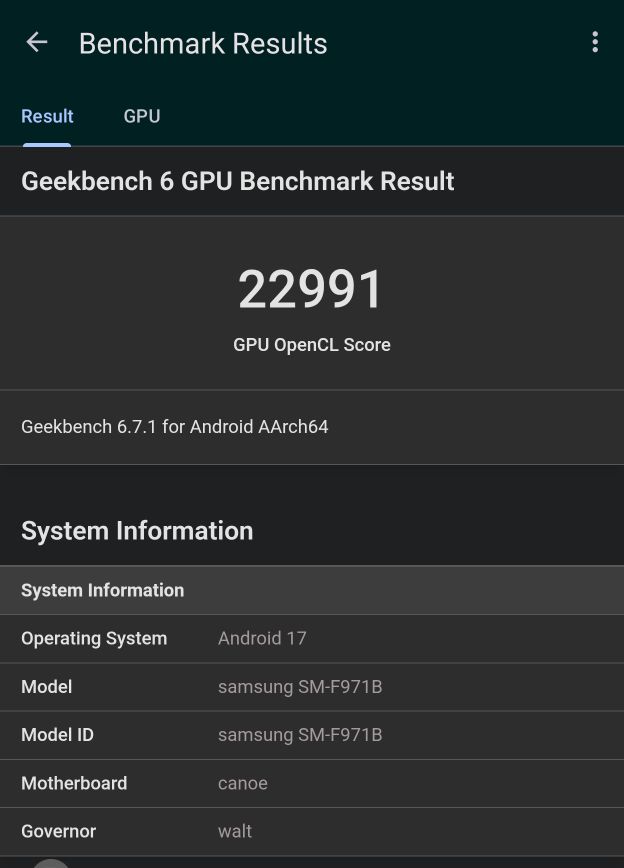
| Geekbench 6 OpenCL | 22,991 |
| Geekbench 6 Vulkan | 25,149 |
| Geekbench AI (CPU) | 5,724 |
| Geekbench AI (GPU) | 4,028 |
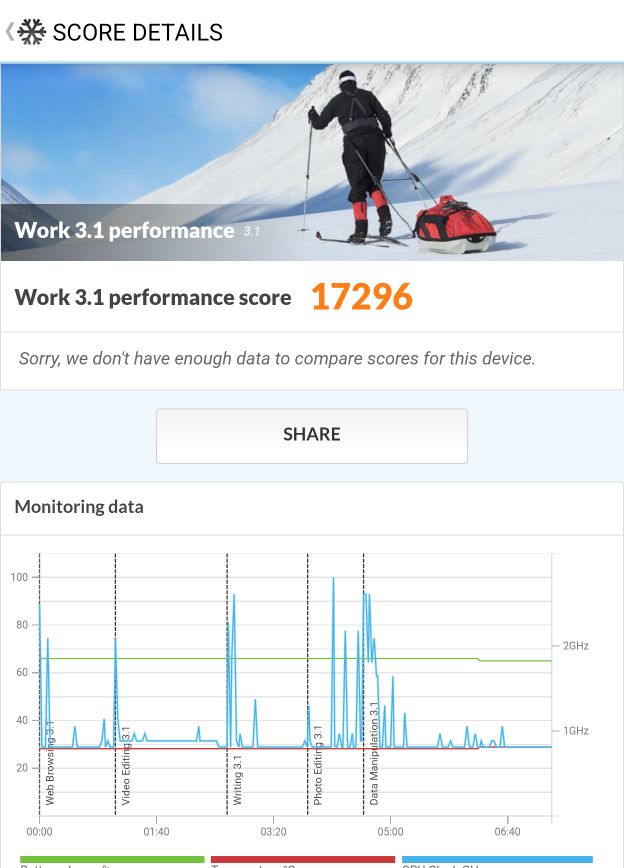
| PCMark Work 3.0 | 17,296 |
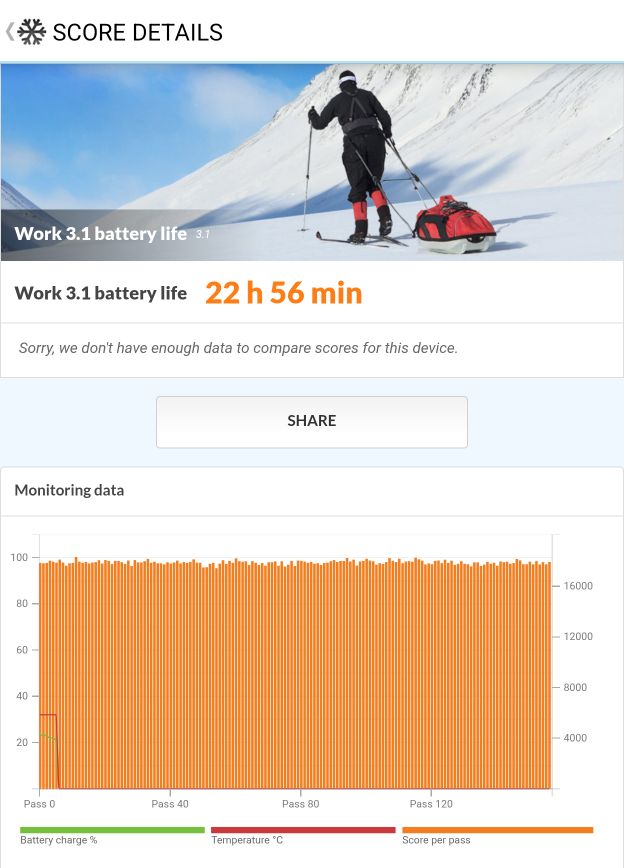
| PC Mark Work 3.1 Battery Life | 22 hours 56 mins [front display only] |
In terms of synthetic benchmarks, the Galaxy Z Fold8 performs in a similar fashion to the Galaxy S26 Ultra which uses the same chipset and measurably outpaces last year’s Galaxy Z Fold 7 which uses last year’s Snapdragon 8 Elite for Galaxy chipset by a comfortable margin in single, multicore, graphics and AI benchmarks.
In the 3D Mark Steel Nomad Light Stress test, it offered comparable best and lowest loops scores to the Galaxy S26 Ultra with a higher stability score of 75.4% with temperatures averaging between 35°C to 39°C, which is slightly cooler than results from the Galaxy S26 Ultra.
In practical scenarios, performance on our Galaxy Z Fold8 review sample was excellent and it was able to tackle everything asked of it from 4K video editing on CapCut to spreadsheets and even gaming with smooth performance on Call of Duty Mobile, Genshin Impact and Wuthering Waves.
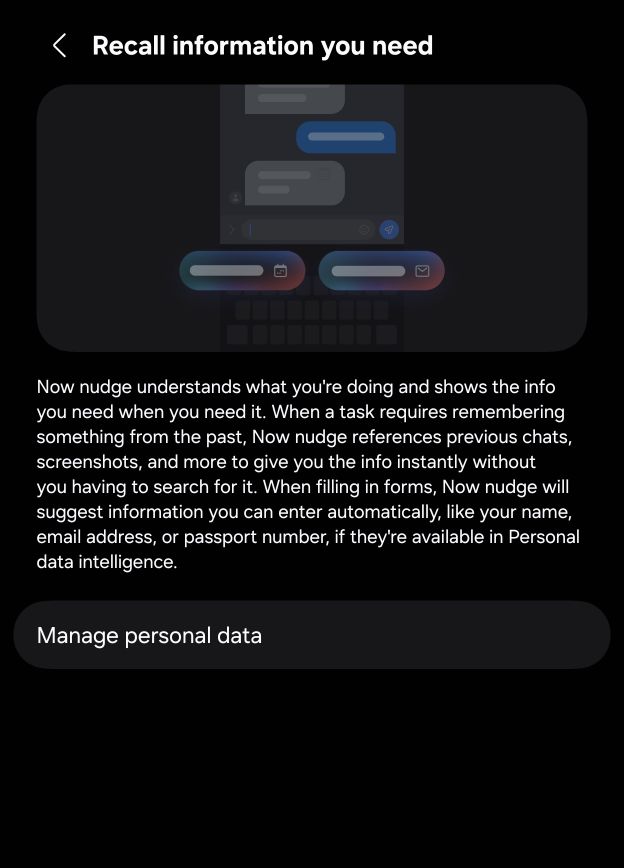
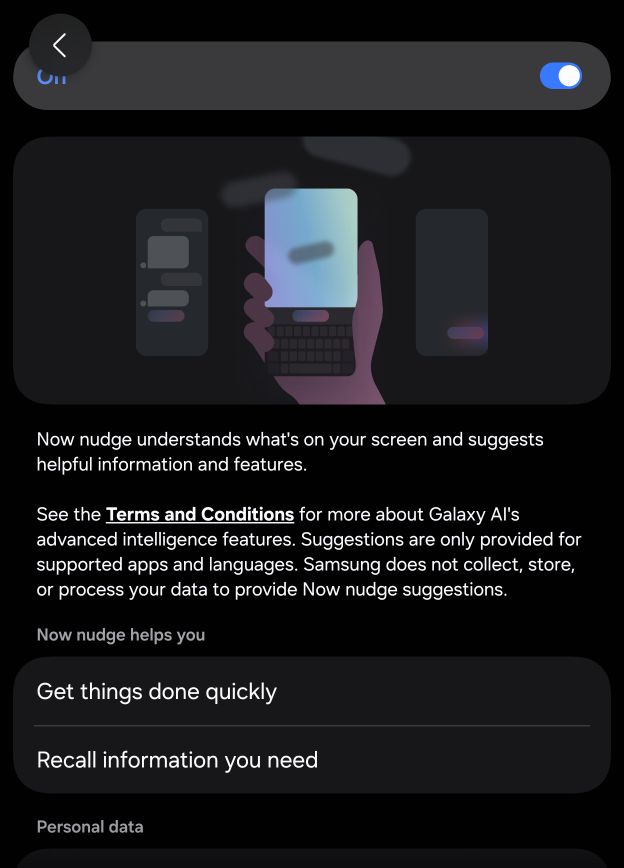
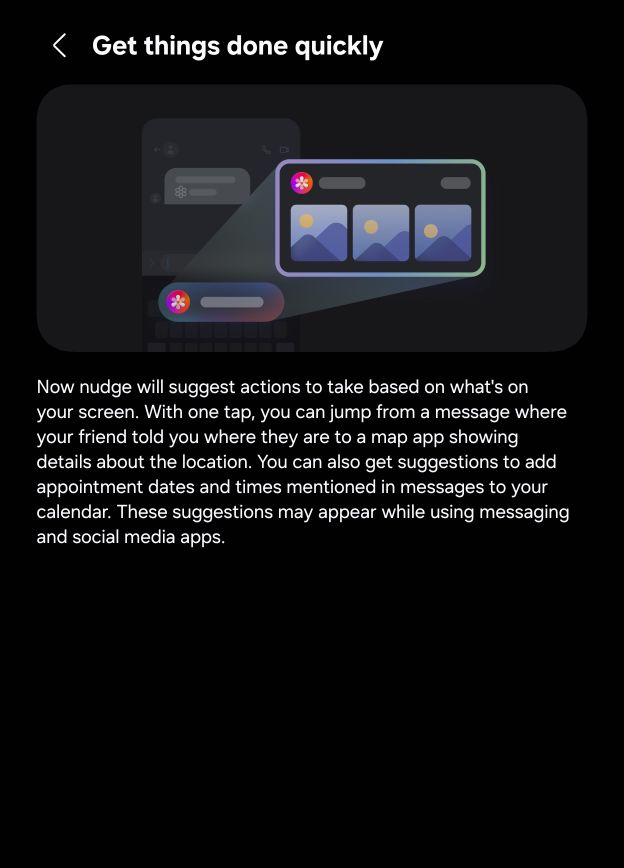
Samsung has also introduced a smattering of new AI features with OneUI 9.0, chief among them Now Nudge that offers context-sensitive actions in real time such as suggesting calendar shortcuts to add an event to your schedule while texting someone, saving locations in chats to Google Maps and filling in personal data when you’re filling out forms onscreen. It is nice to have but doesn’t radically alter the overall user experience.
Of greater value is a My FanCam feature that lets you track a specific human subject in footage which we’ll get into shortly.
In terms of battery life, our Galaxy Z Fold8 review unit was able to comfortably last a full day of use though your mileage will vary depending on how much you use the foldable main display, your brightness and app usage. In PCMark’s battery life test with just the front display, it averaged a respectable 22 hours and 56 minutes.
With auto screen brightness and a combination of WiFi and data working on emails, social media, a few minutes worth of calls along with moderate usage of YouTube, getting a few chapters in of an ebook on the commute, Spotify and camera use, it averaged to about 20% at the end of the day. If you’re fairly frugal, you can likely eke more juice out of it.
Charging it is a relatively fast affair as the phone supports 45W wired fast charging though it doesn’t ship with a charger out of the box with a full charge from dead zero to about 60% in 30 minutes and to full in about an hour or so using a compatible charger.
The Galaxy Z Fold8 also supports wireless charging but the phone unfortunately lacks magnets so you’ll need to purchase a compatible case so that the charging elements align properly.
Samsung Galaxy Z Fold8 Review – Displays sized for work and play
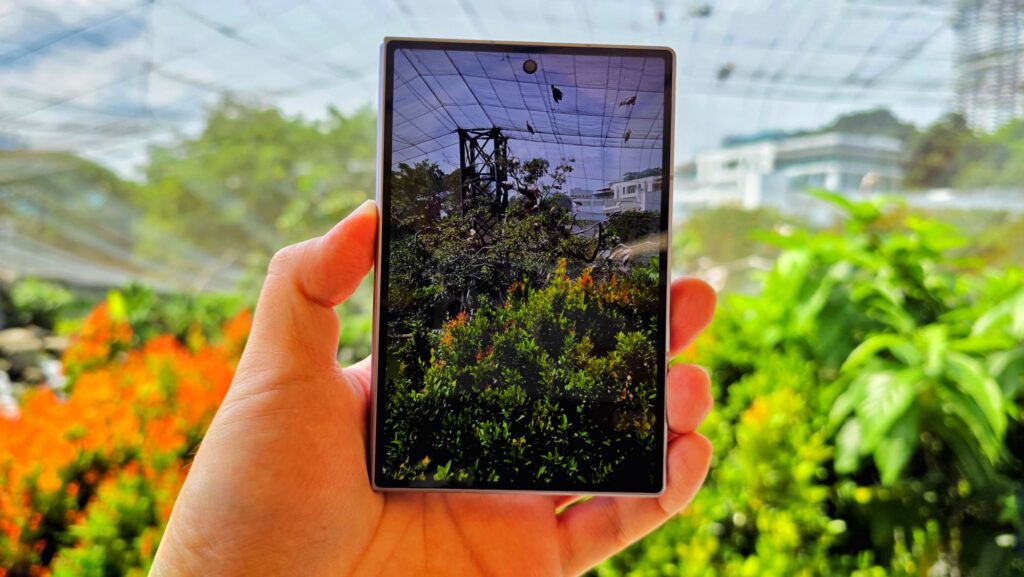
What makes the Galaxy Z Fold8 stand out are its wide-shaped displays that made web browsing, gaming and watching videos a superior experience.
The short and wide dimensions of the front 5.5-inch Dynamic AMOLED 2X display meant almost all the edges of the touchscreen are within easy reach without the need to shift your grip constantly as in the case of a conventionally sized phone or require the use of your off-hand to swipe downwards to access the pulldown menus.
The front cover display’s wide 10:16 aspect ratio made web browsing, reading ebooks and, in particular, scrolling on Instagram a delight as the screen is wide enough to offer a more natural reading experience. With a 10:16 aspect ratio, TIkTok is still viewable for the most part though there’s some slight letterboxing on the left and right of the screen.
Flipping the Galaxy Z Fold8 open reveals a rather unusual feature as the hinge doesn’t stay up and effectively springs flat when you angle it past a 90-degree angle.
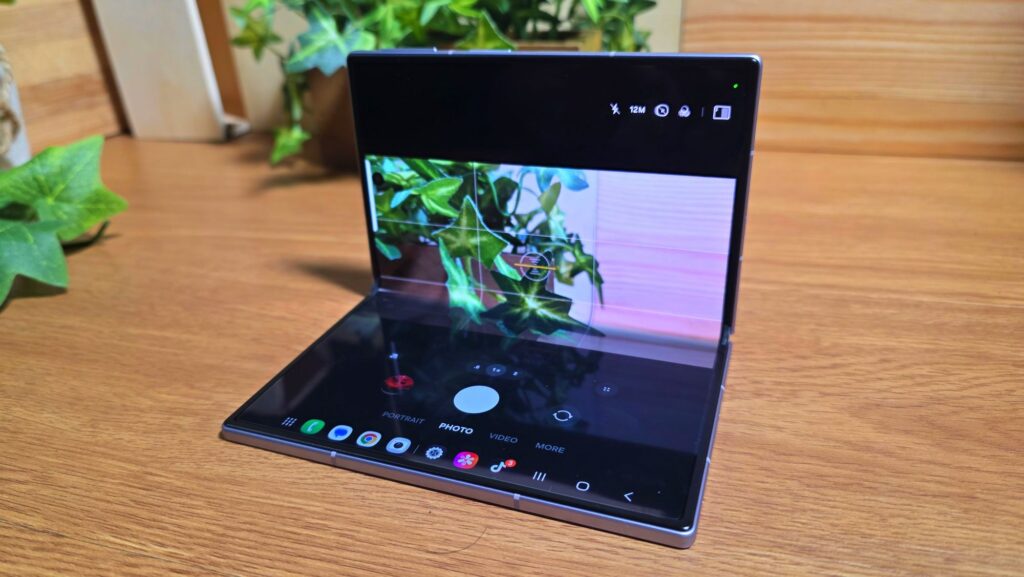
If you’re aiming to watch movies, you can still use the front display by angling the phone upside down and spreading it outwards into a ‘tent’ mode of sorts which works nicely. If you ensure that the hinge sticks to an exact 90-degree angle, you can still use the phone to capture handsfree and hyperlapse shots.
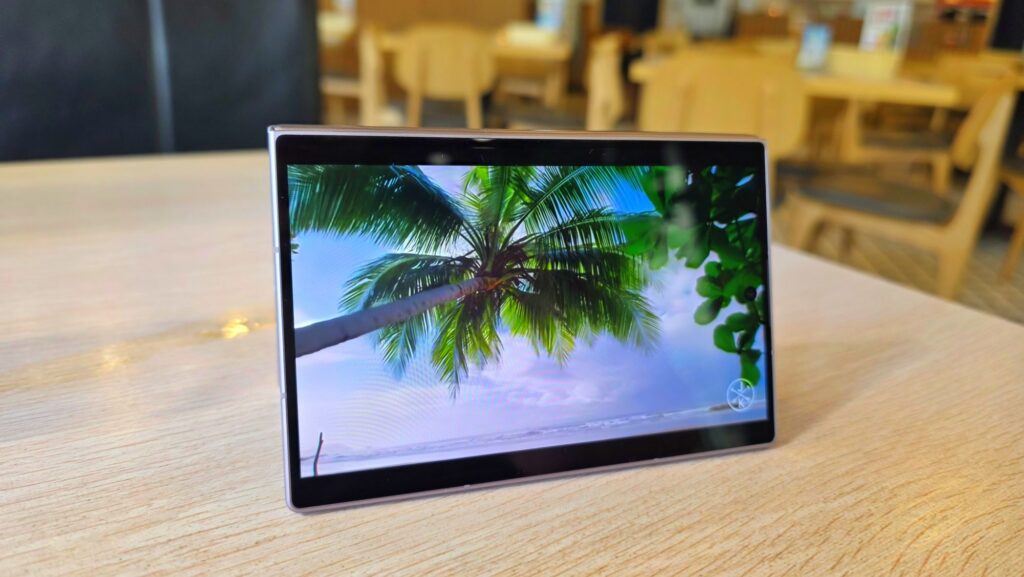
Samsung has taken great pains to ensure that the Galaxy Z Fold8 has an even flatter crease than ever before while being more durable too thanks to new Flex Titanium technology that introduces a titanium alloy film layered underneath the main folding display along with a titanium reinforcing plate to add extra strength to the folding panel. Even after a week plus of use, our Galaxy Z Fold8 review sample remained flat with the barest hint of a crease.
The main 7.6-inch Dynamic AMOLED 2X foldable display features a rectangular 4:3 aspect ratio, which makes it fantastic for looking at spreadsheets and, in particular, watching movies on Netflix, YouTube binging and gaming too.
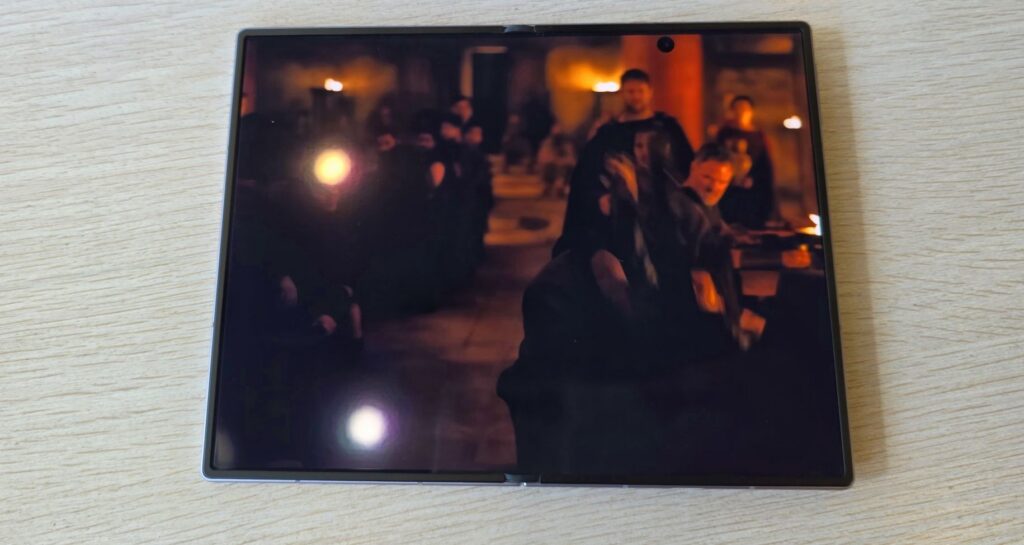
There’s still a bit of letterboxing but it’s much less than what you’d see on the Galaxy Z Fold8 Ultra’s display or even the older Galaxy Z Fold 7.
Perhaps the only quibble here is its speaker placement. When unfolded and in landscape mode, both speakers are located on the left panel of the display which mitigates some of the sound staging but it’s otherwise relatively loud and sufficient for music, gaming and movies.
Combined with its light 201g carry weight and form factor, the Galaxy Z Fold8 is a delight to use not just for work related tasks but for everyday scenarios too and this is thus far the closest to a hybrid tablet experience that Samsung has managed to achieve with their foldable line-up.
Samsung Galaxy Z Fold8 Review – Cameras
The Galaxy Z Fold8 has a camera setup that consists of 10MP cameras capable of up to 4K@60fps video on the cover and main folding display, with both cameras inset into punchholes. The phone also features a rear dual 50MP camera array.
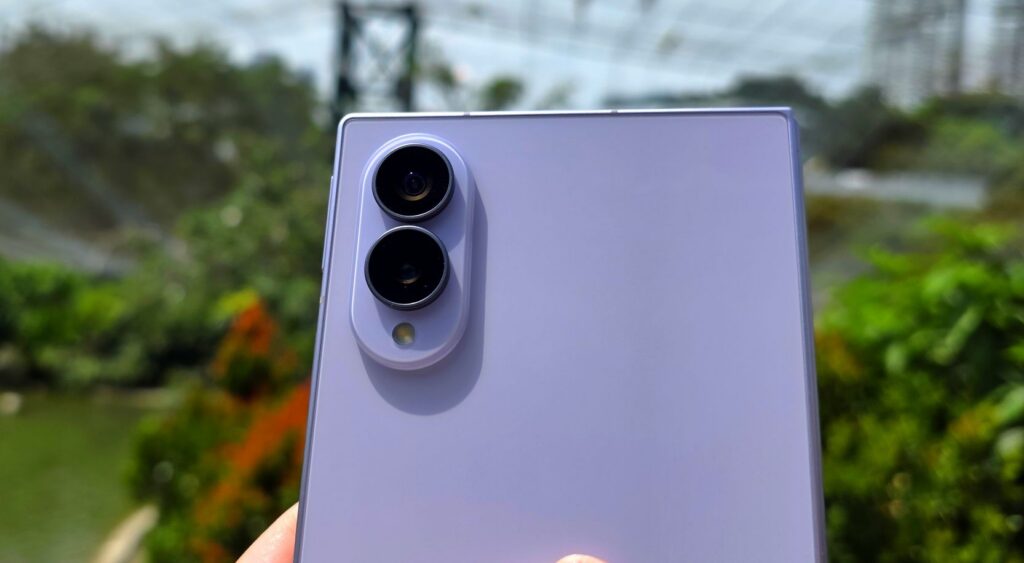
The primary 50MP f/1.8 main camera on the rear features optical image stabilisation and seems somewhat similar to that used on the base Galaxy S26 while the 50MP f/1.9 ultrawide angle camera seems similar to that used on the Galaxy S26 Ultra.
Unfortunately, the phone lacks a telephoto camera though you can get lossless 2x zoom by cropping from the main 50MP camera. Combined, this setup offers up to 10x digital zoom for stills, up to 8K@30fps video with up to 10x digital zoom and, best of all, a Horizontal Lock shooting mode that offers smooth footage even with vigorous phone movement. The camera interface also allows for video capture in LOG and stills in RAW for more serious content creators.
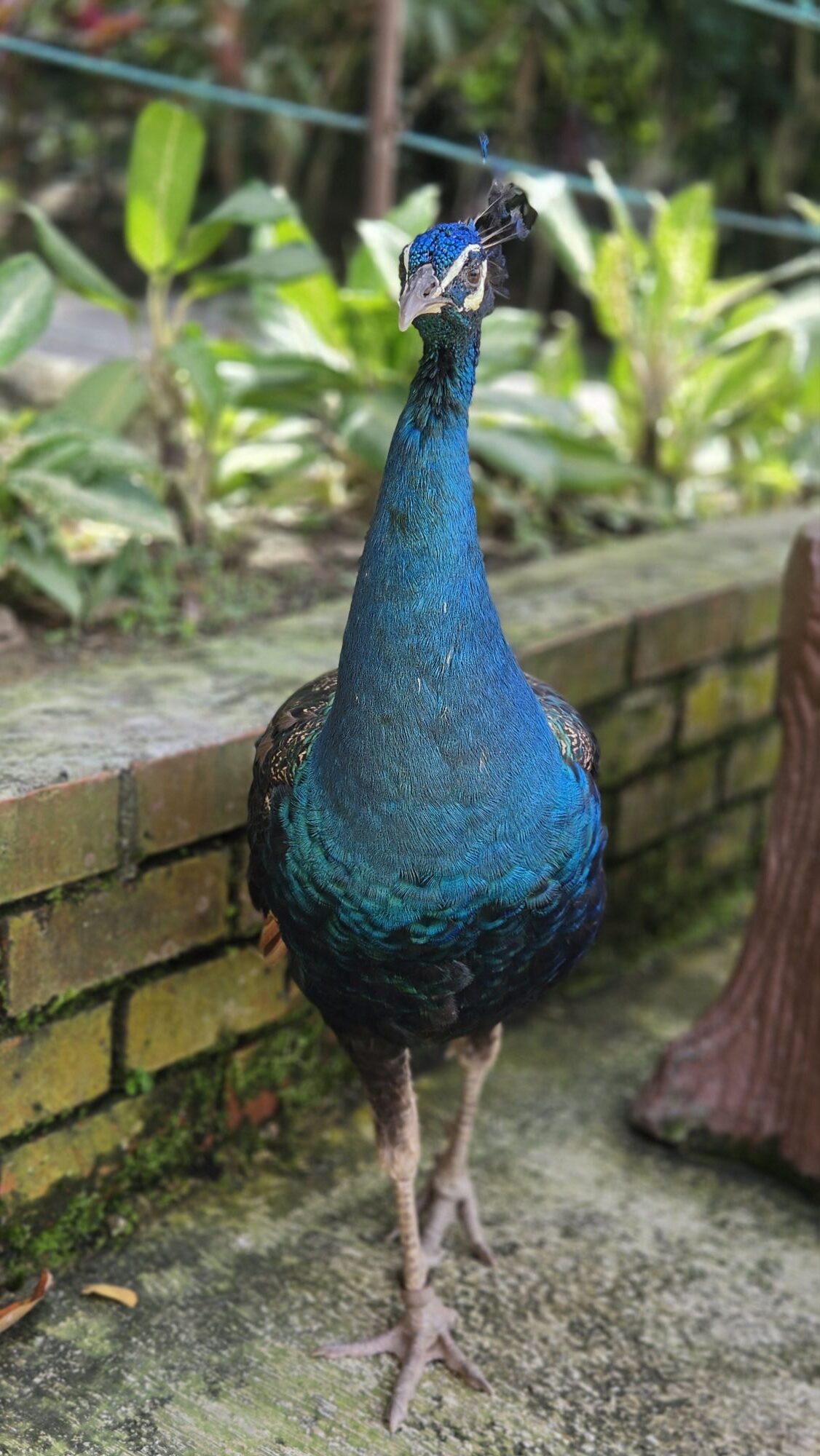
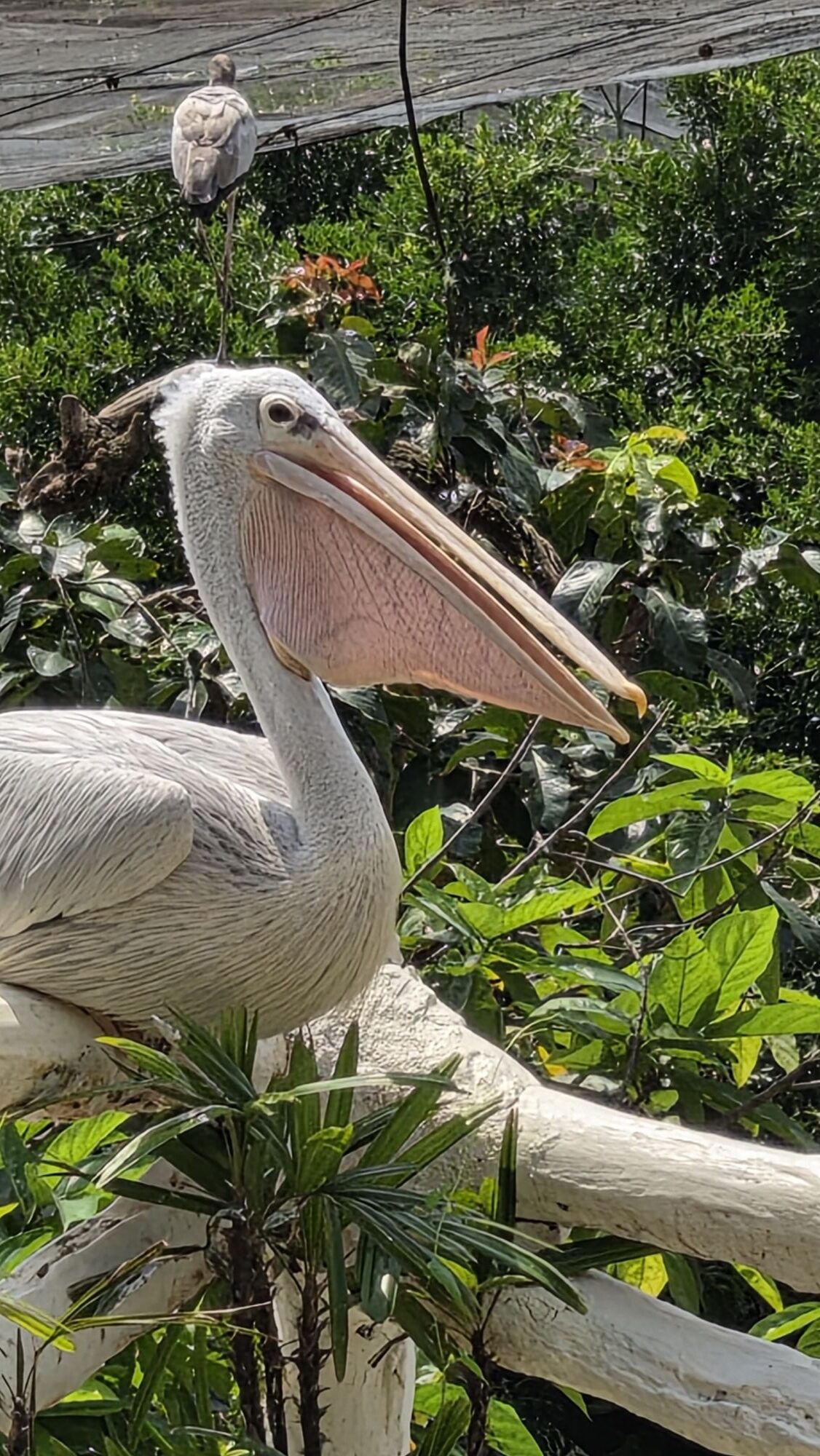

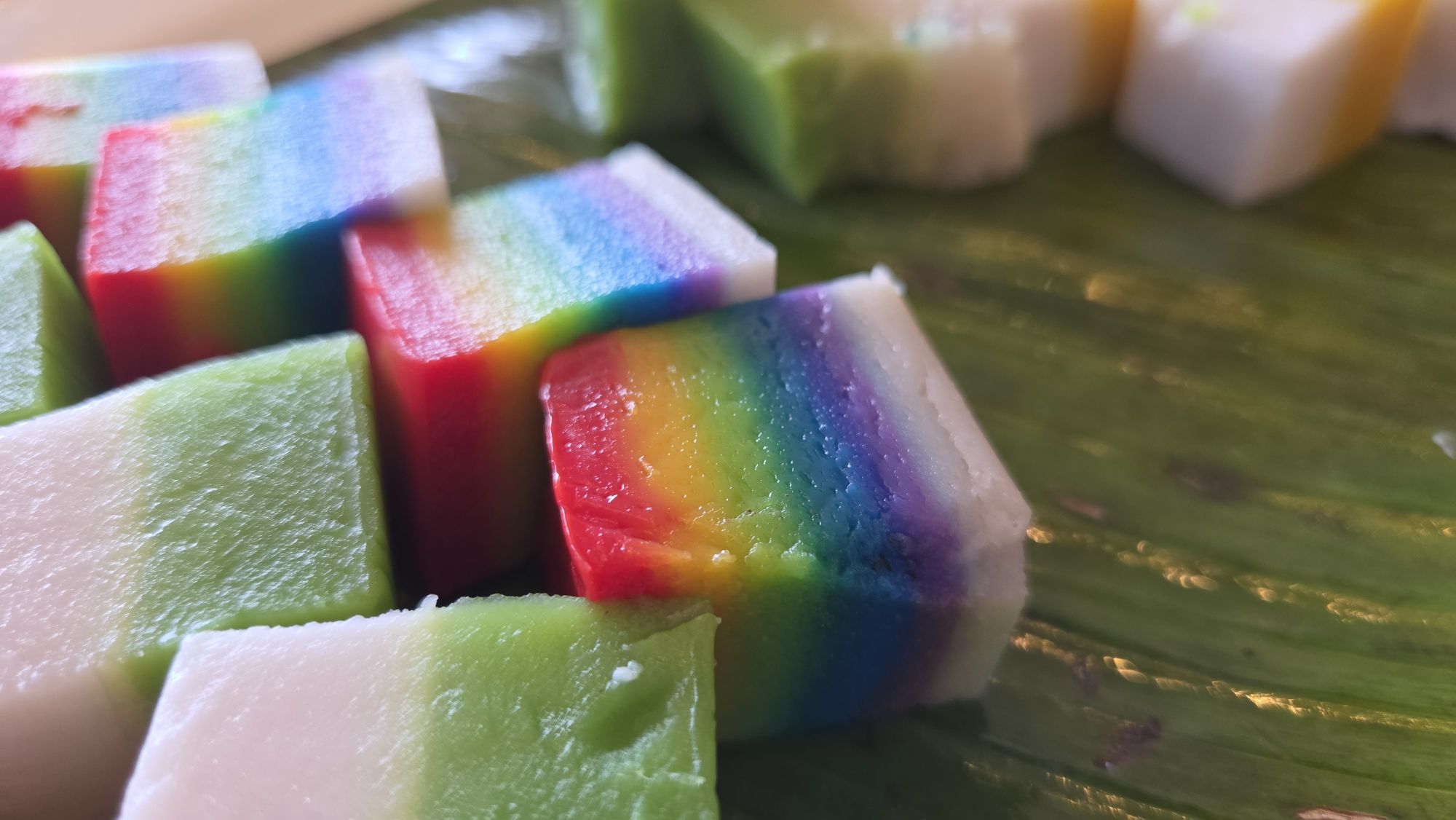
Combined, the dual rear cameras make for a highly capable setup that covers most scenarios casual users would be expected to encounter which means family, food and scenery shots for the most part and the odd license plate or parking pillar number or two.
However, its sibling the Galaxy Z Fold8 Ultra packs a far more capable camera setup with a larger 200MP main camera, a matching 50MP ultrawide angle camera and a 10MP telephoto camera.
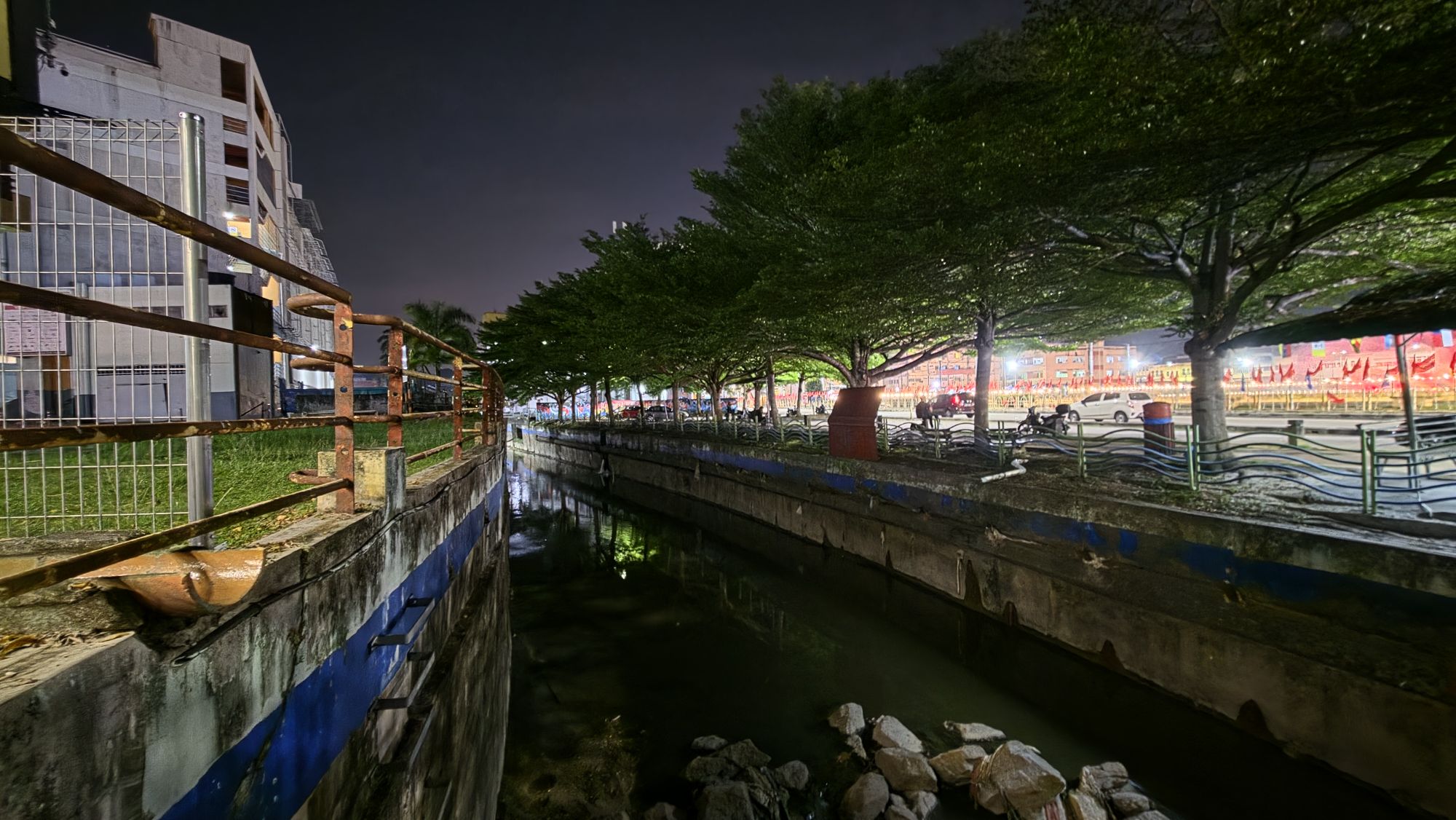
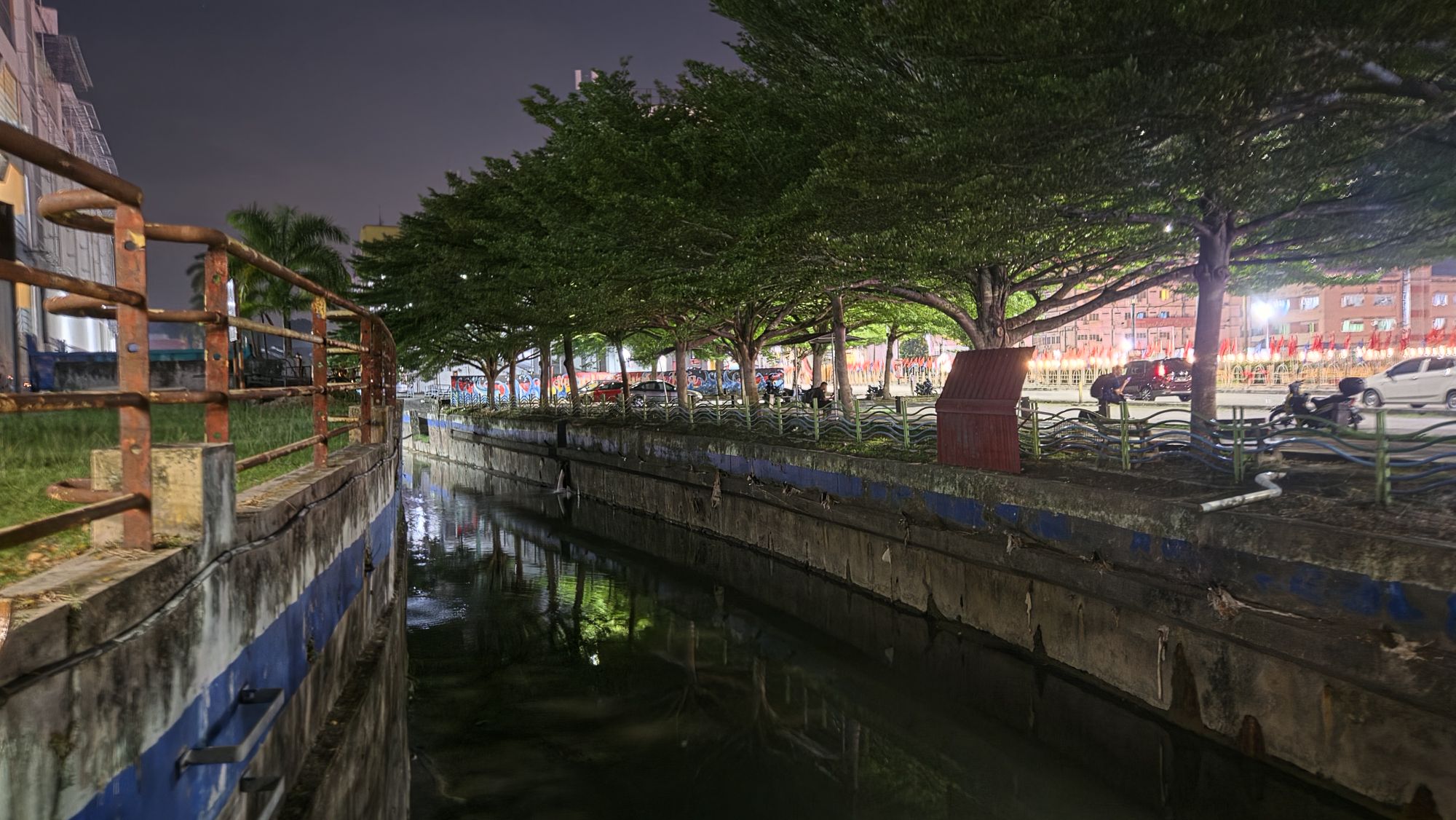
Samsung Galaxy Z Fold8 Review -Ultrawide angle low light
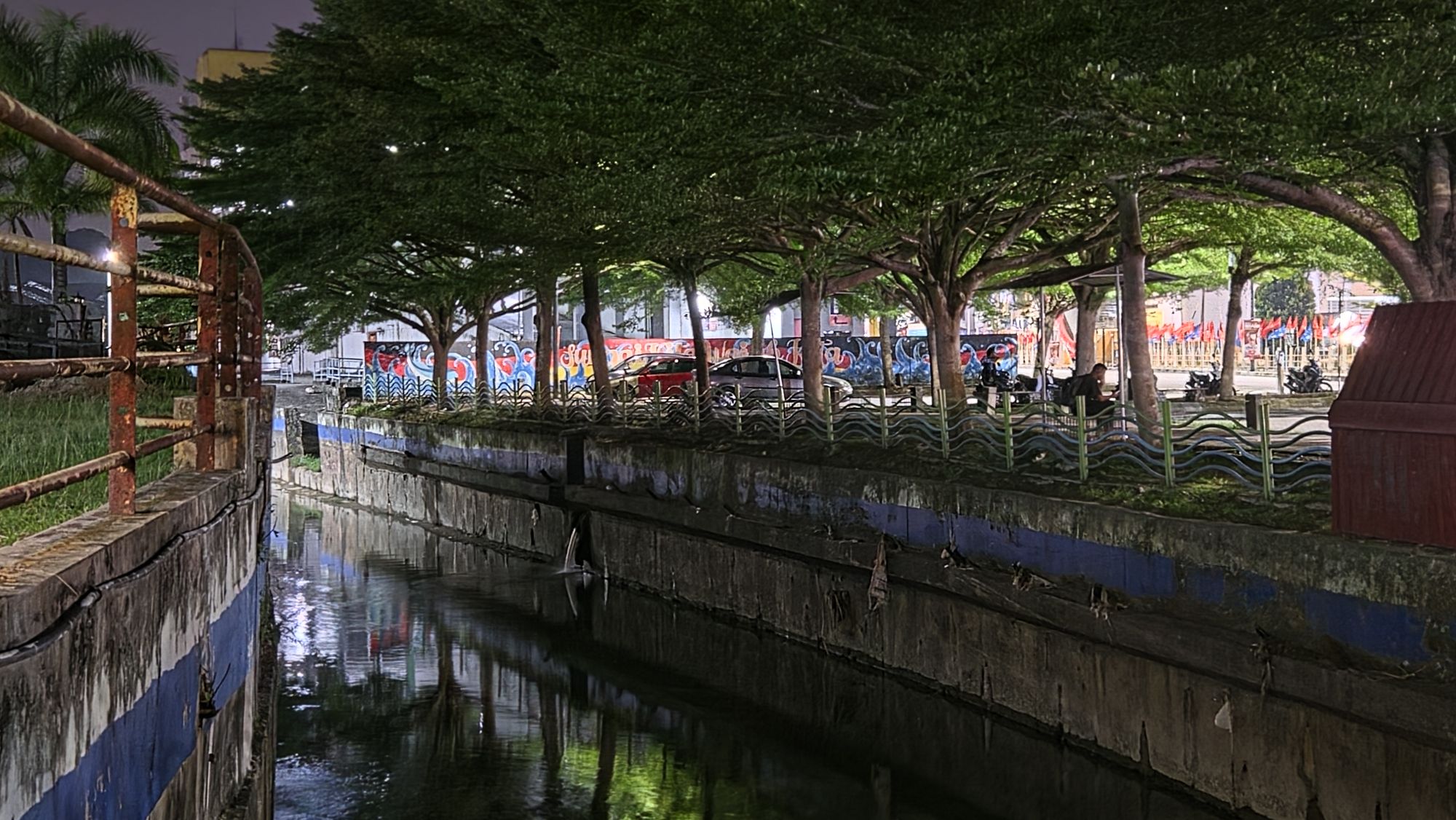
Samsung Galaxy Z Fold8 Review – 1X Zoom low light
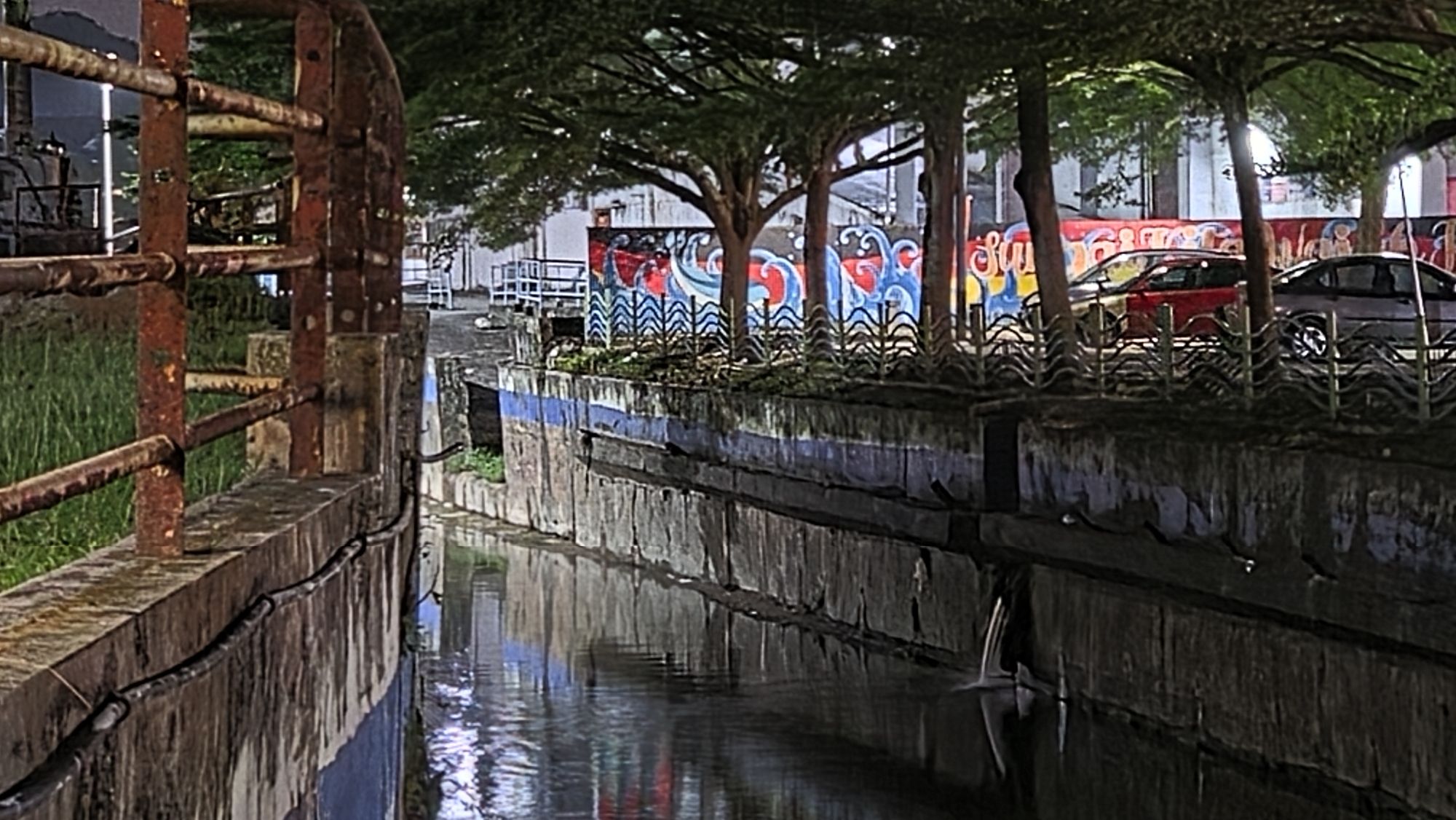
Samsung Galaxy Z Fold8 Review – 2x zoom low light
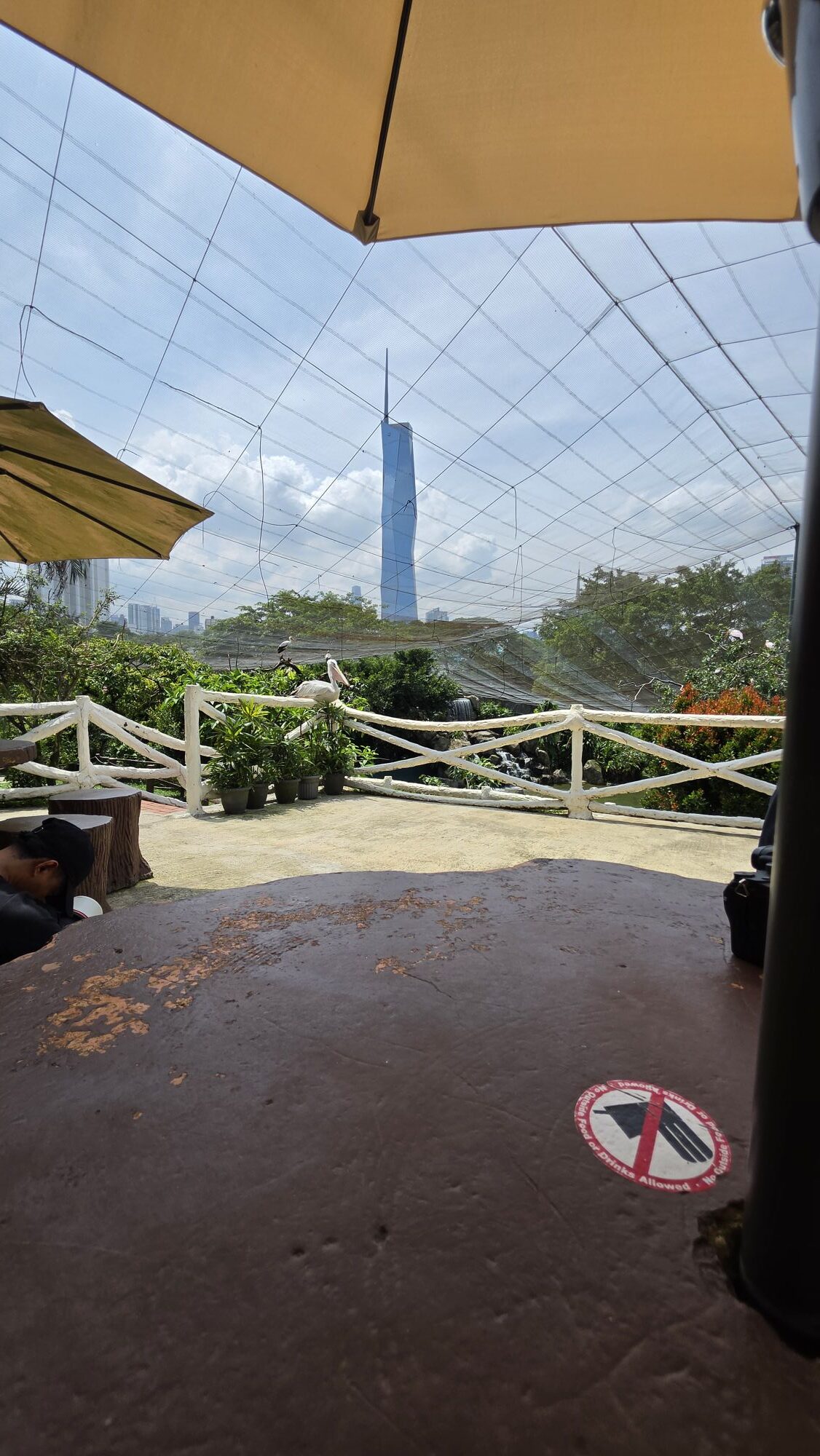
Samsung Galaxy Z Fold8 Review – 4X low light

Samsung Galaxy Z Fold8 Review – 10X zoom low light
In daylight conditions, both the ultrawide and main camera on our Galaxy Z Fold8 review sample offers good colour rendition and detail out to 2X zoom.
Beyond that, images start losing detail and at 10x zoom, shots start looking soft. Shots taken in low light from the ultrawide and main camera are offer good dynamic range though colours are slightly on the over saturated and start looking soft beyond 2x zoom.
Samsung Galaxy Z Fold8 Review – Ultrawide angle daylight
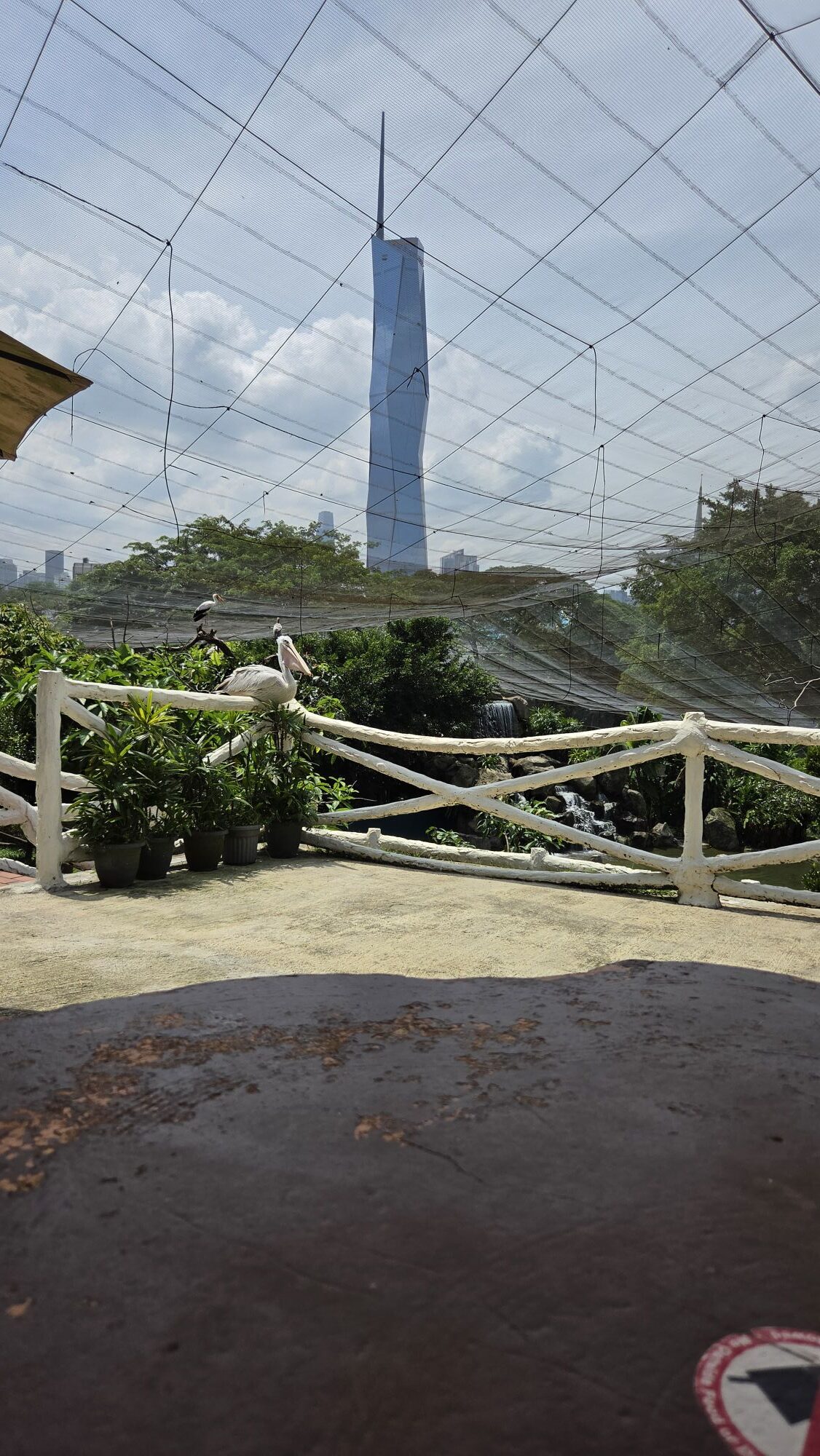
Samsung Galaxy Z Fold8 Review – 1x zoom daytime
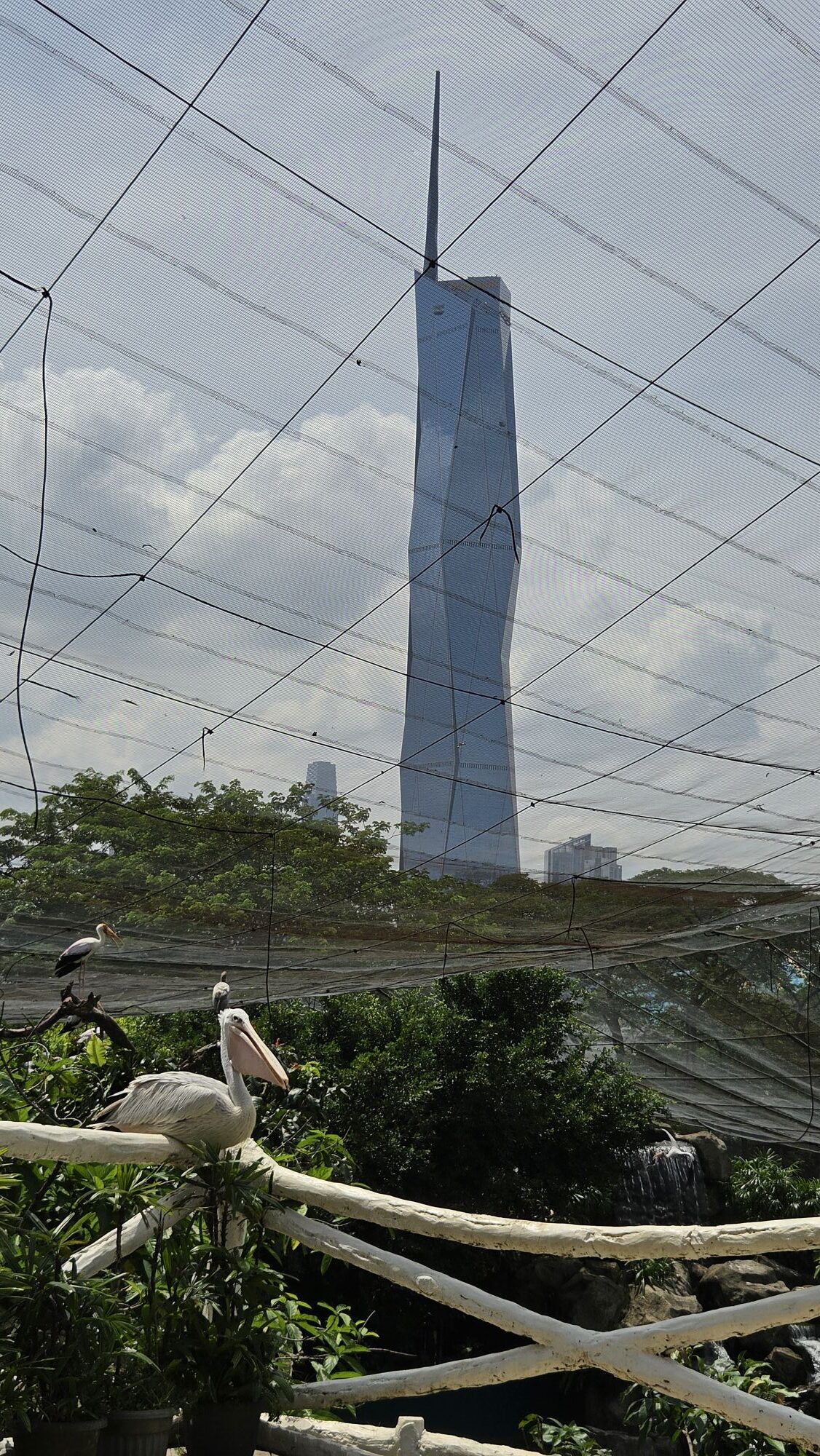
Samsung Galaxy Z Fold8 Review – 2x daytime
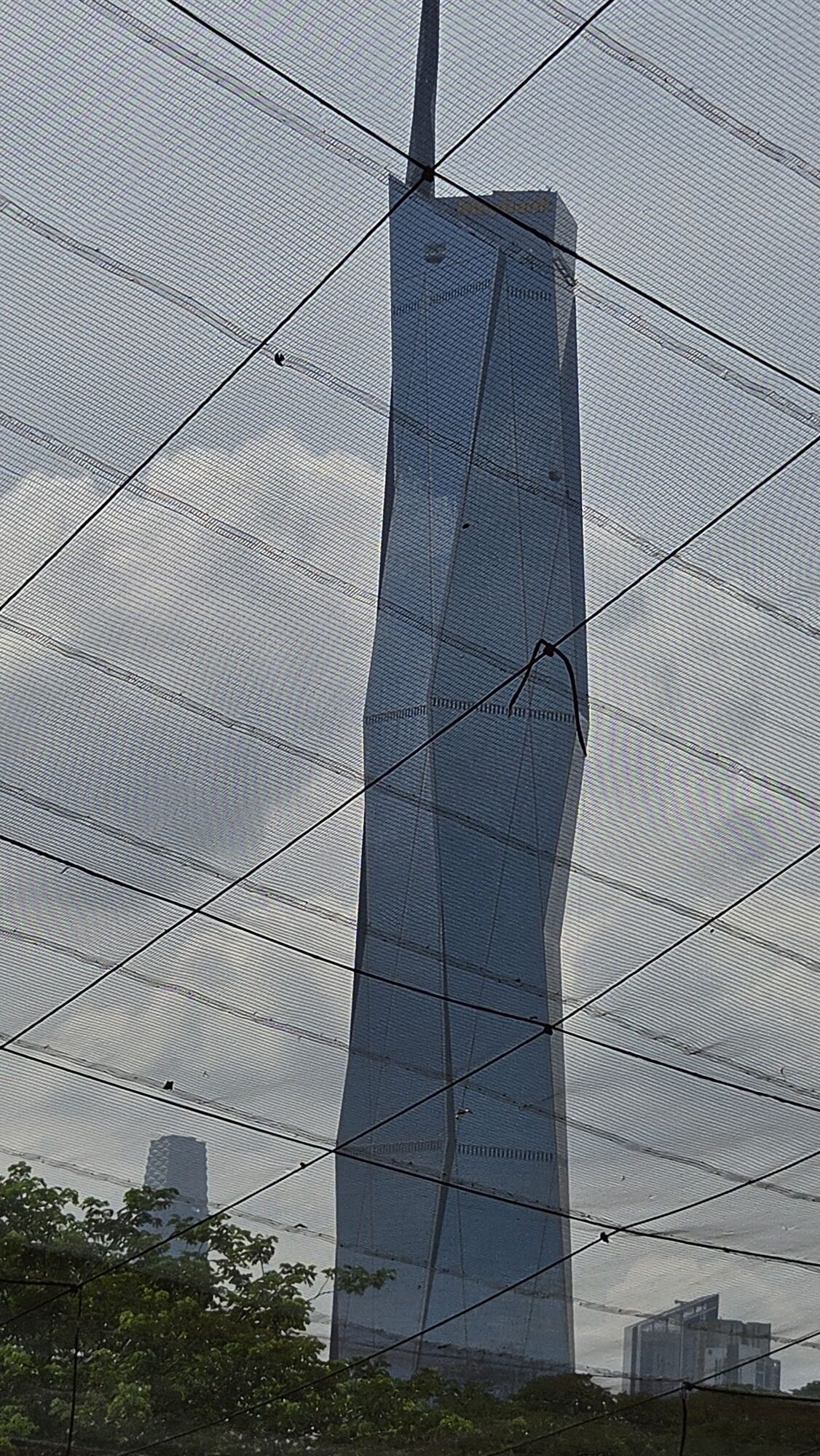
Samsung Galaxy Z Fold8 Review – 4x daytime
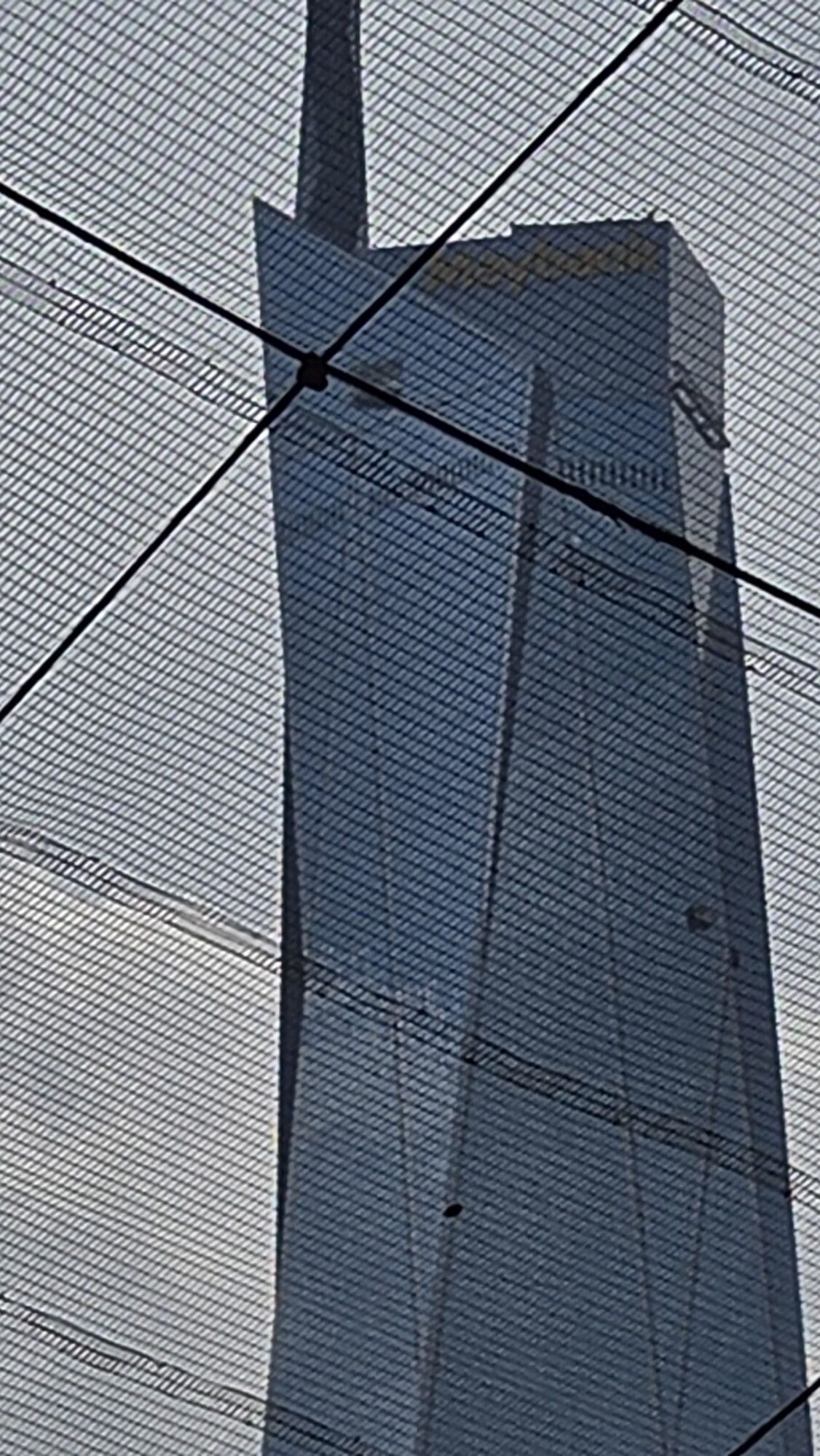
Samsung Galaxy Z Fold8 Review – 10x daytime
Video captured from the rear camera at 4K@60fps was smooth with good colour and detail out to 2X zoom. While it is capable of 8K video, the sheer storage footprint size of captured 8K footage makes it tough to edit.
Low light footage is serviceable for casual use though if you’re looking to capture better quality footage, you’ll likely need to pick Samsung’s Galaxy Z Fold8 Ultra or the Galaxy S26 Ultra, both of which offer better imaging performance..
The Galaxy Z Fold8 also supports Horizontal Lock mode for steadier footage though this relies on the ultrawide angle camera, caps out at QHD@60fps and requires relatively brightly lit lighting conditions.

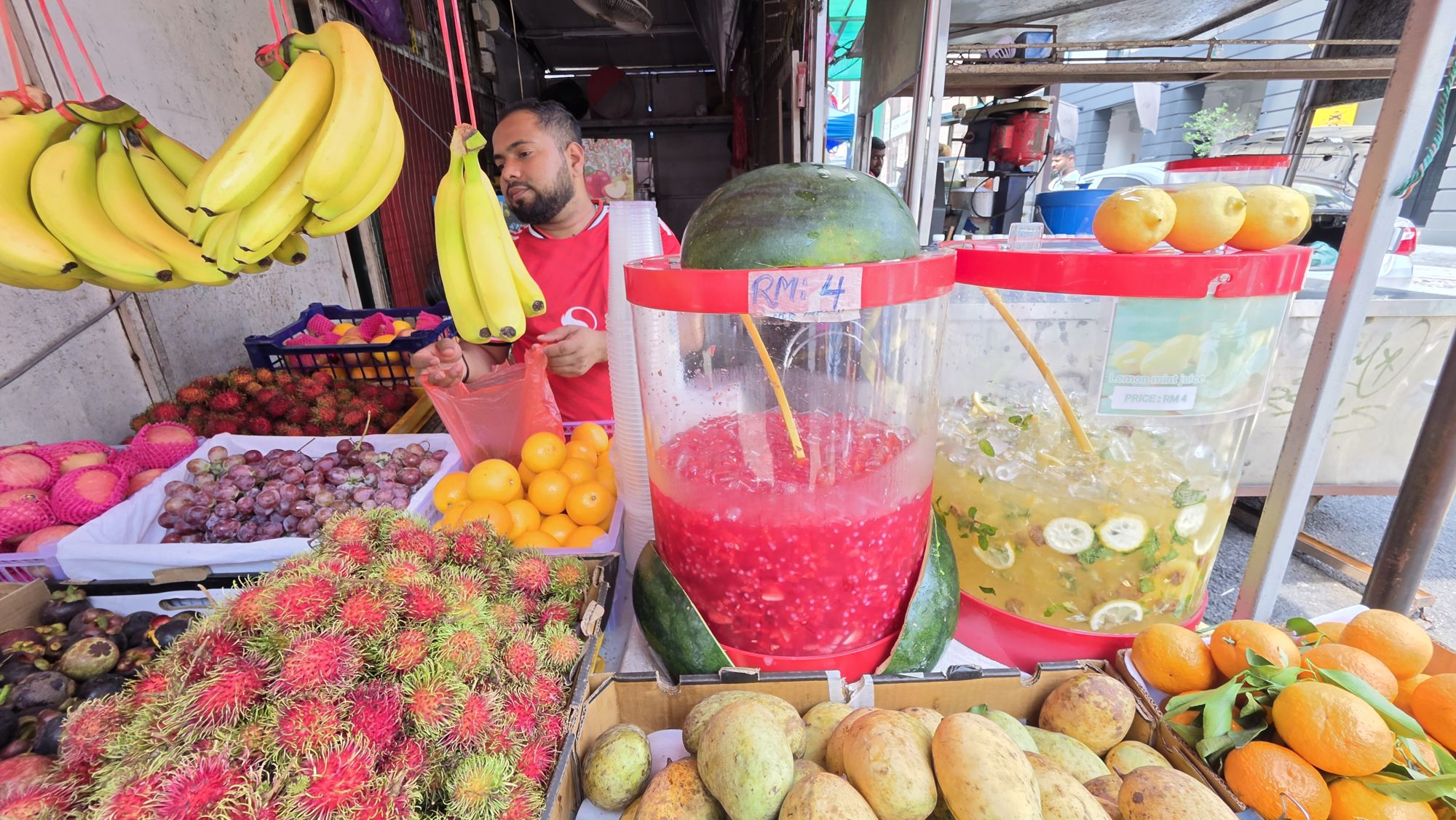
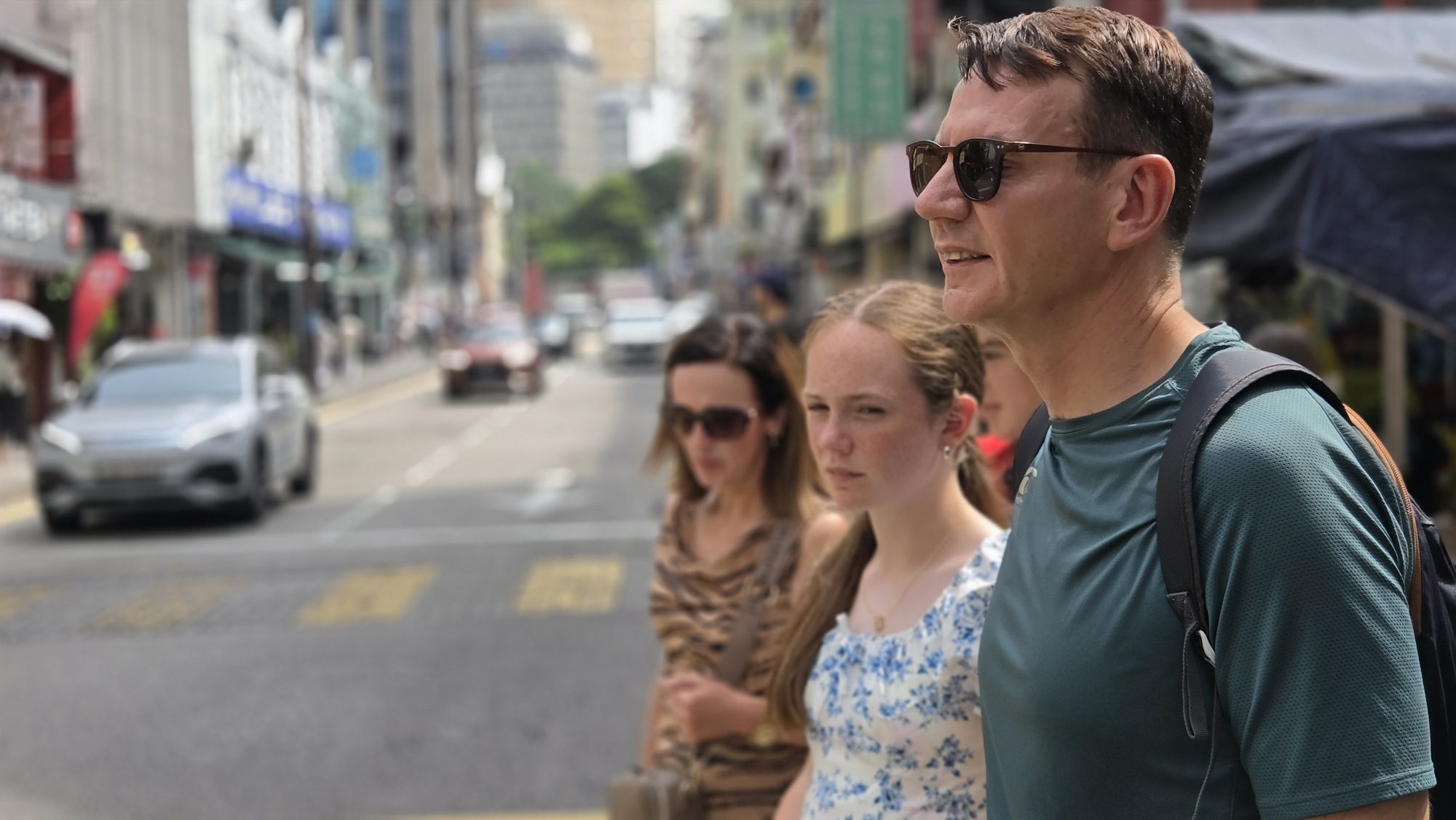
Of greater value is its My FanCam feature that lets you record a video and then select a specific human subject afterwards to follow with the option to select different aspect ratios. This is a brilliant feature that lets you get smooth, steady footage for all manner of creative tasks in lieu of getting a gimbal.
Both the cover and main display 10MP selfie cameras offer good skin tones and detail in brightly lit conditions and relatively decent shots in low light, though more specialised phones with better front-facing cameras offer better results.
However, the ability to capture selfies on the main dual 50MP camera array with the cover display as a viewfinder means that you’ll most likely use the 10MP cover and main display cameras only for casual shots or video calls.
Overall, the Galaxy Z Fold8 has a competent array of front and rear cameras for most day-to-day photo and videography scenarios though its displays remain its standout feature.
Should you buy the Samsung Galaxy Z Fold8?
The Samsung Galaxy Z Fold8 proves to be the standout flagship foldable for 2026 with its superbly sized wide displays that offer vibrant colours, crisp detail and excellent aspect ratios that make them ideal for enjoying movies, games and everyday tasks.


The passport-sized form factor, light 201g weight, slim dimensions and IP48 rated chassis also make it a delight to use and carry. Add in flagship-grade performance along with good battery life and you have one of, if not the best foldable flagship for 2026.
Samsung Galaxy Z Fold8 review sample courtesy of Samsung Malaysia. For more details please visit https://www.samsung.com/my/smartphones/galaxy-z-fold8/buy/
Samsung Galaxy Z Fold8
-
Display
-
Performance
-
Cameras
-
Battery Life
-
AI Capabilities
-
Value
Samsung Galaxy Z Fold8
The Samsung Galaxy Z Fold8 proves to be the standout flagship foldable for 2026 with its superbly sized wide displays that offer vibrant colours, crisp detail and excellent aspect ratios that make them ideal for enjoying movies, games and everyday tasks. Add in flagship-grade performance along with good battery life and you have one of, if not the best foldable flagship for 2026.
Pros
Excellent aspect ratios on displays make for a great viewing experience
Great performance
Slim and gorgeous design
DeX mode
Useful My FanCam feature
Cameras feature Horizontal Lock for video
Cons
Speakers are all located on the left panel when unfolded
No telephoto camera
Separate case needed to implement magnetic accessories and wireless charging